What to do in Montmartre at night: cabarets, walks and hidden gems
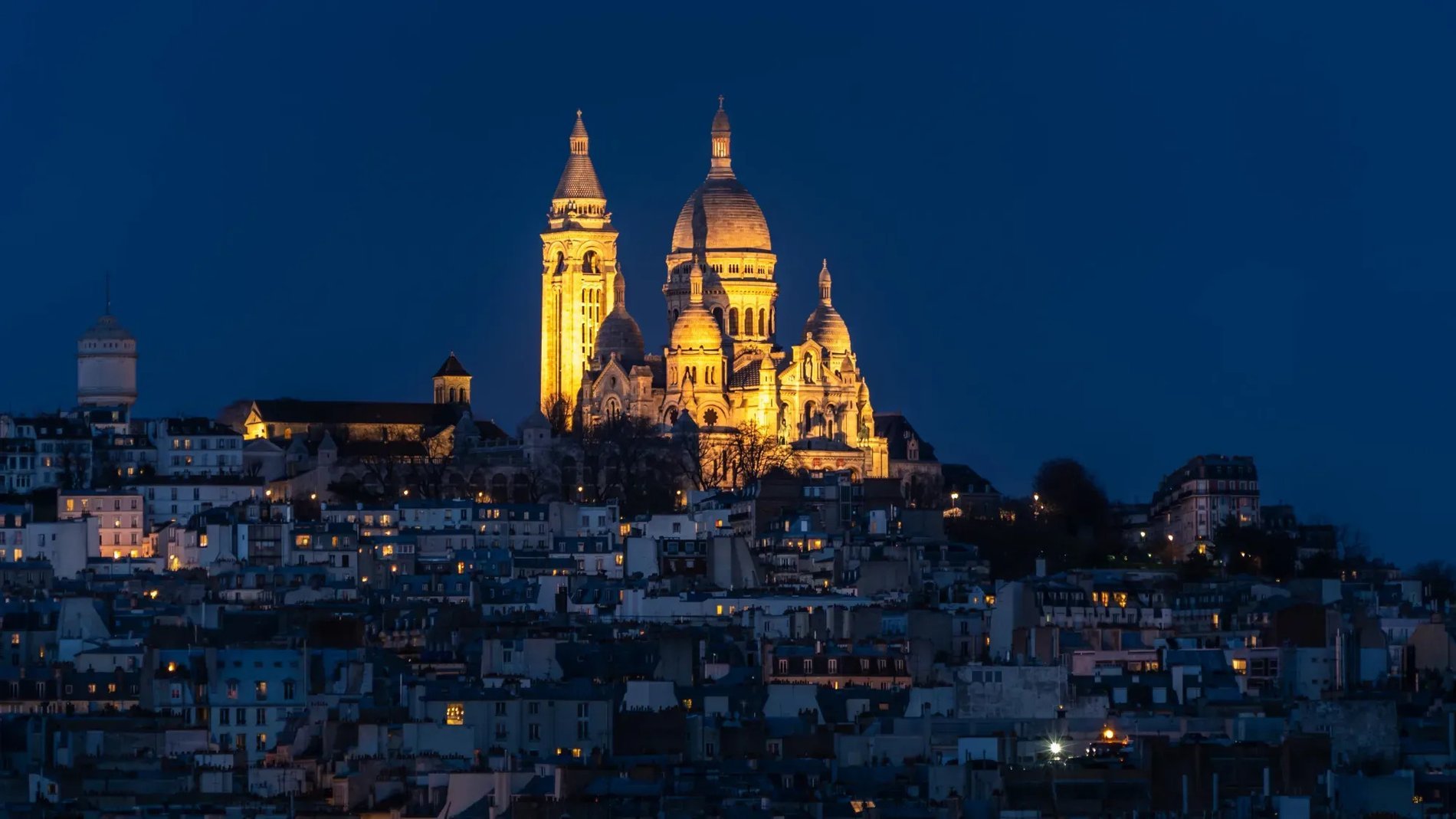
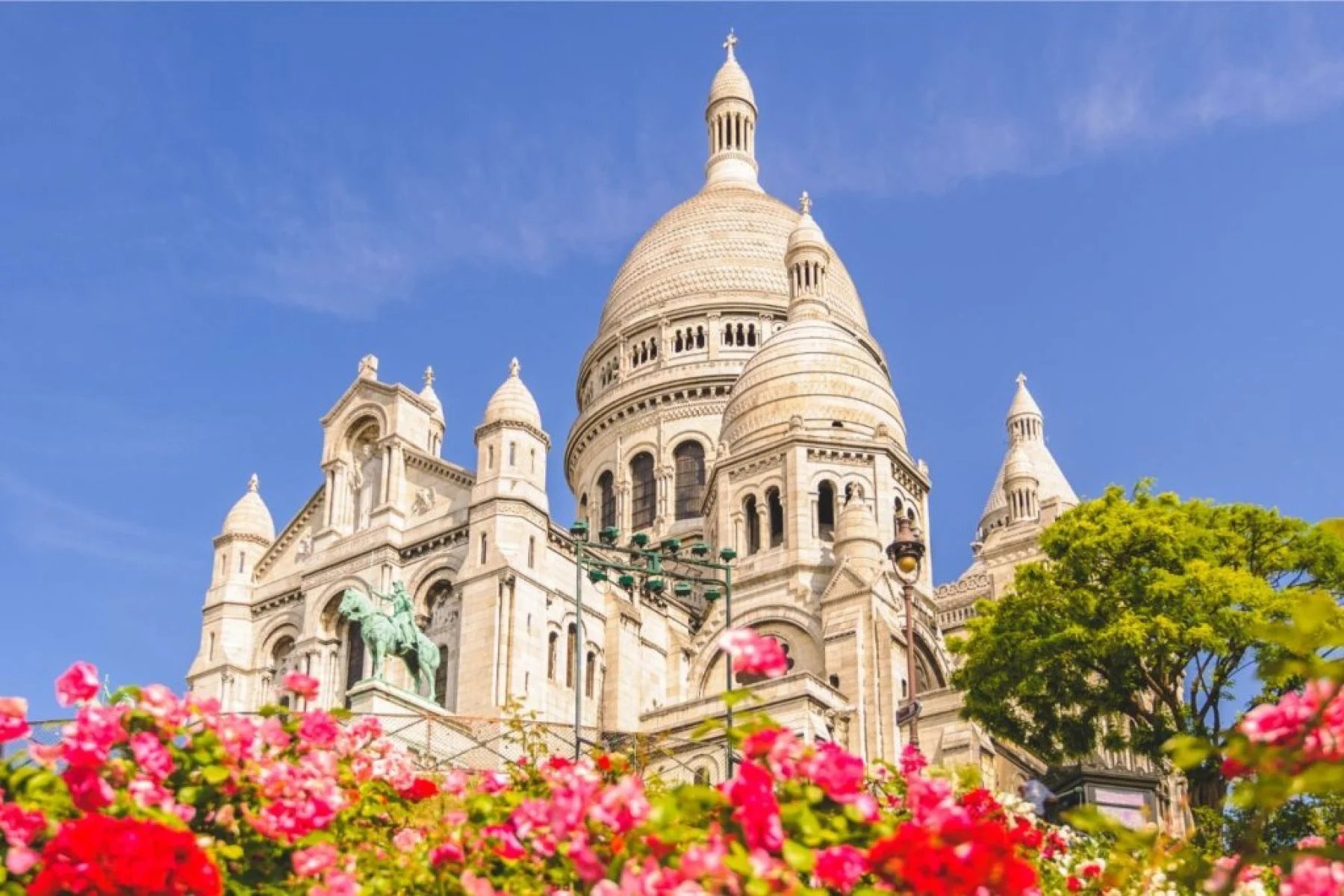
What to do in Montmartre at night? Once the tour buses leave the hill, Montmartre, Paris becomes another place entirely, and the evening is the best time to experience it. Cabaret signs light up along boulevard de Clichy, the terraces of Pigalle fill with people, the Sacré-Cœur basilica watches over the city until 10.30pm, and the artists of the place du Tertre pack away their easels.
From a show at the Moulin Rouge to a night walk up to the moulin de la Galette, a concert in a small venue in the 18th arrondissement or a glass of wine on a café terrace, the nightlife options are plenty. This guide to Montmartre gathers our must-see spots, our ideas and our local recommendations for Paris at night, all within walking distance of the Hôtel Artemisia, a Montmartre hotel located on rue Fromentin, minutes on foot from the Moulin Rouge.
Montmartre at night: a neighborhood that changes character
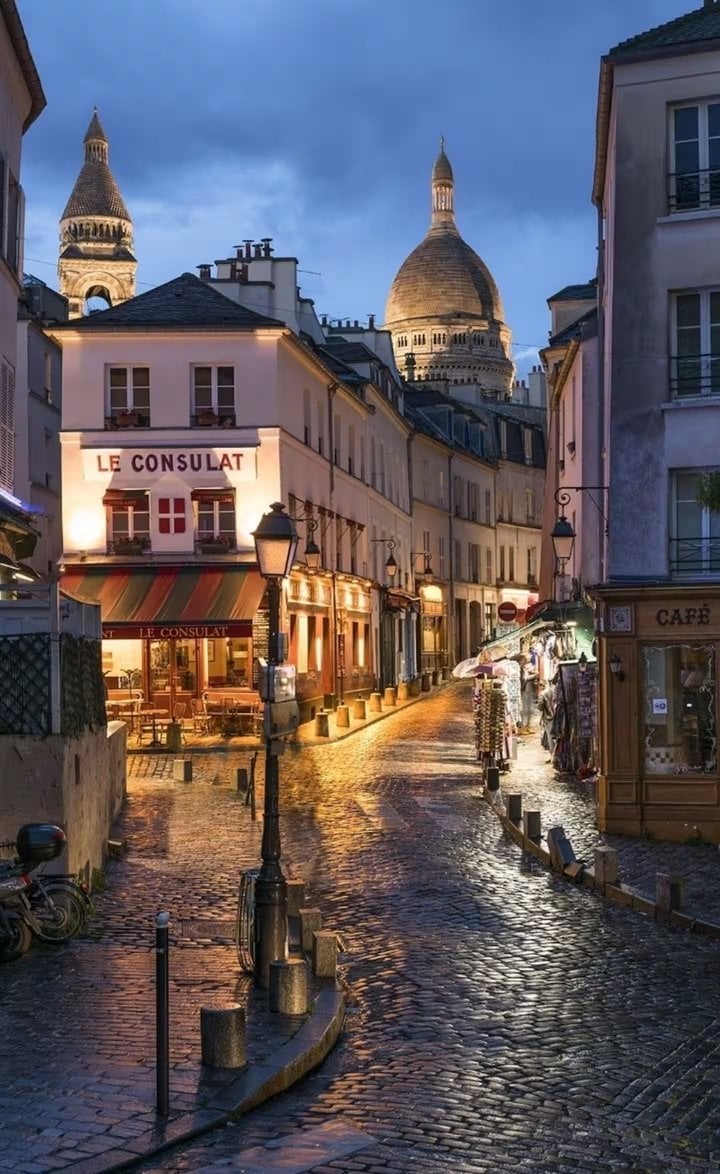
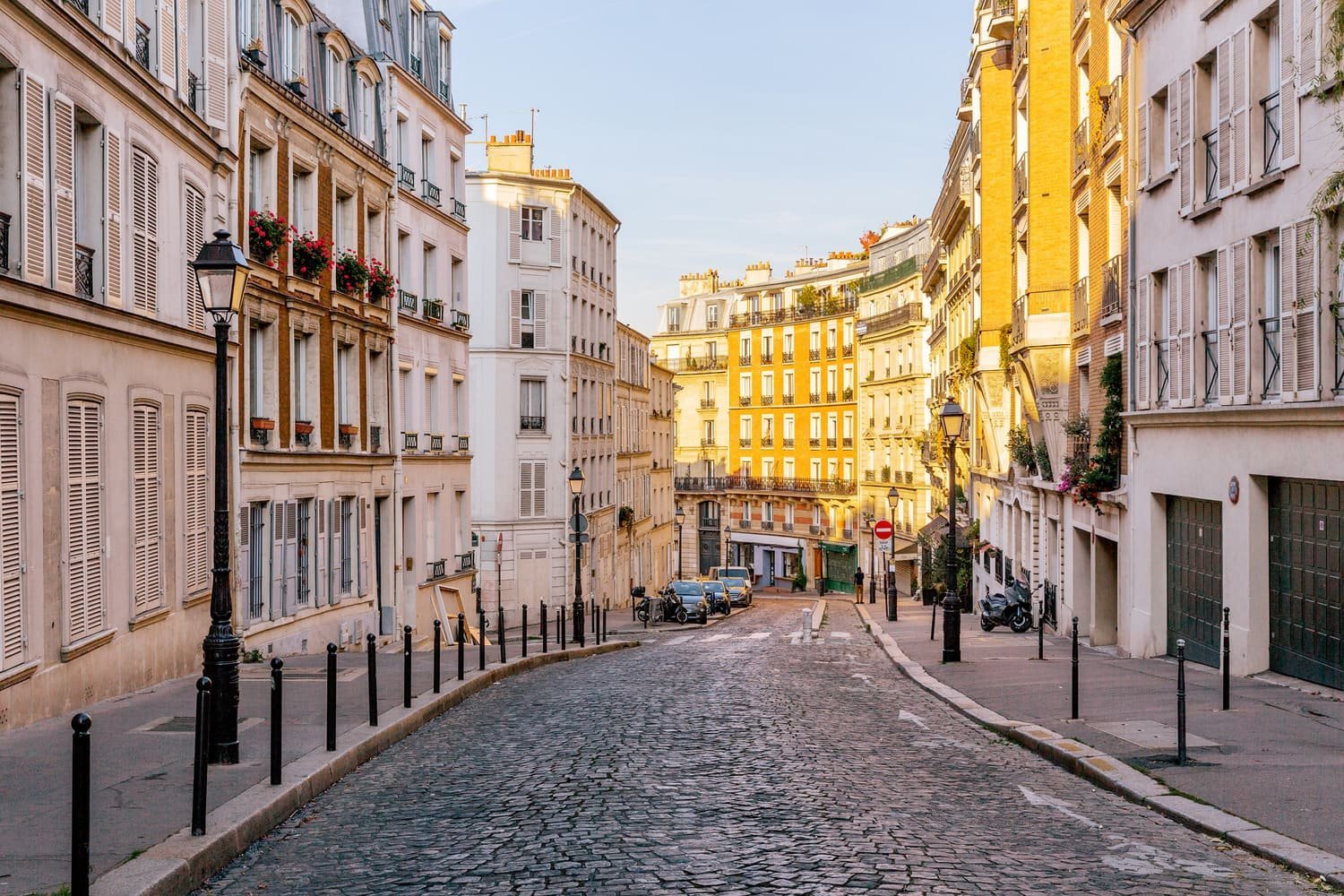
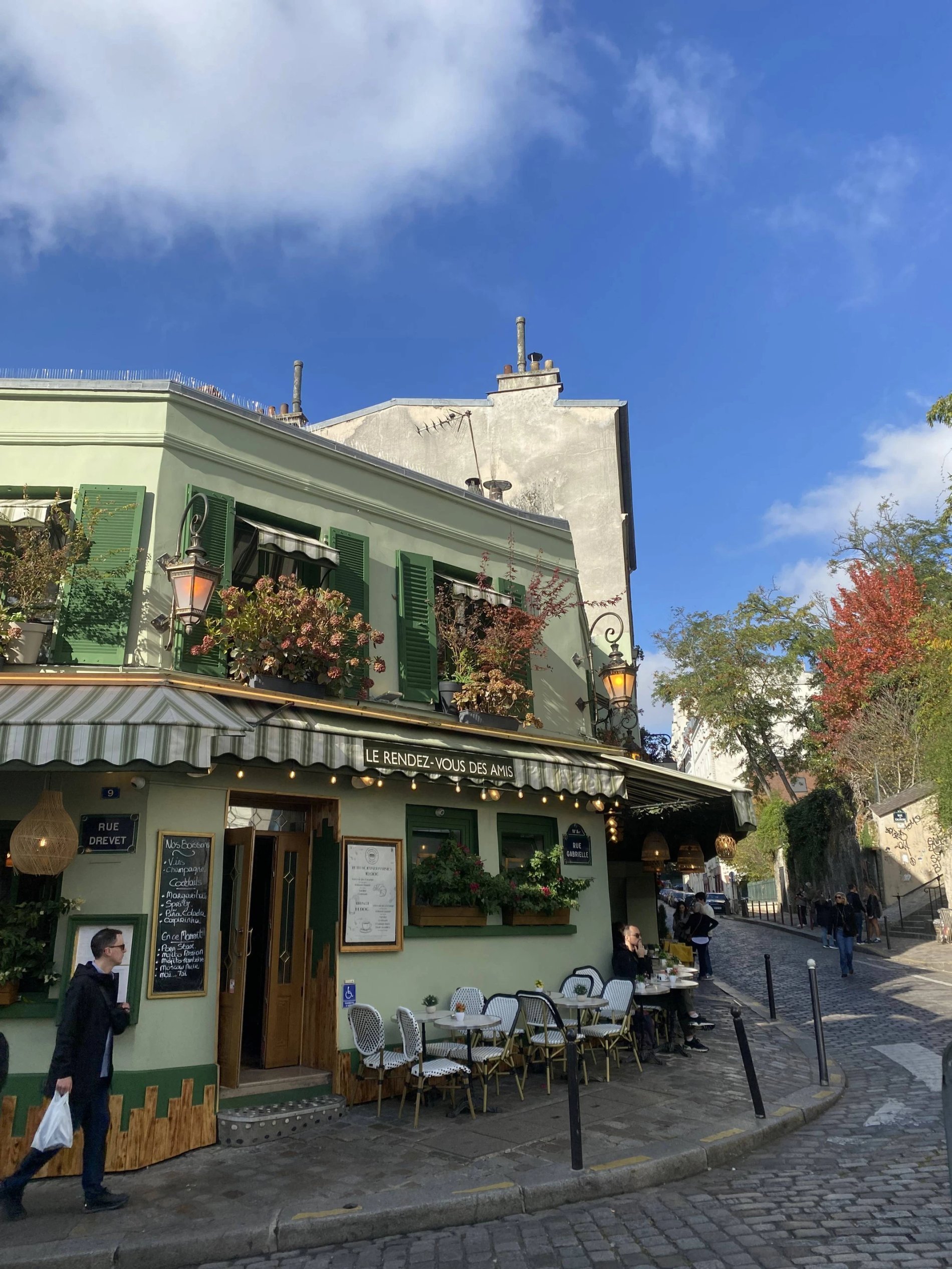
After 7pm, the heart of Montmartre feels like a village again. Tourists head back down to the Abbesses metro station, the artists of the tertre fold their easels, and this iconic hill returns to the rhythm it kept until the city of Paris absorbed it in 1860. The steps of rue Foyatier, the street lamps and the 19th century façades form a picturesque setting that photographers and film crews know by heart. From the square Louise Michel, the view of Paris opens up all at once, a breathtaking sweep of rooftops right to the horizon.
The funicular runs daily from 6am to 12.45am, for the few euros of a standard metro ticket. It saves you the 222 steps of rue Foyatier and remains the easiest way to reach the top of the butte after dinner. Once up there, the stroll writes itself: a lit window, a few piano notes escaping from a ground floor apartment, the surprising silence of rue de l'Abreuvoir. Each autumn, the Clos Montmartre vineyard on rue des Saules hosts a harvest festival that fills the streets for several days, one of the cultural events where Montmartre locals take their hill back. There is no bad month for this walk, though September and October have a particular light.
The cabarets of Montmartre, the heart of Paris nightlife
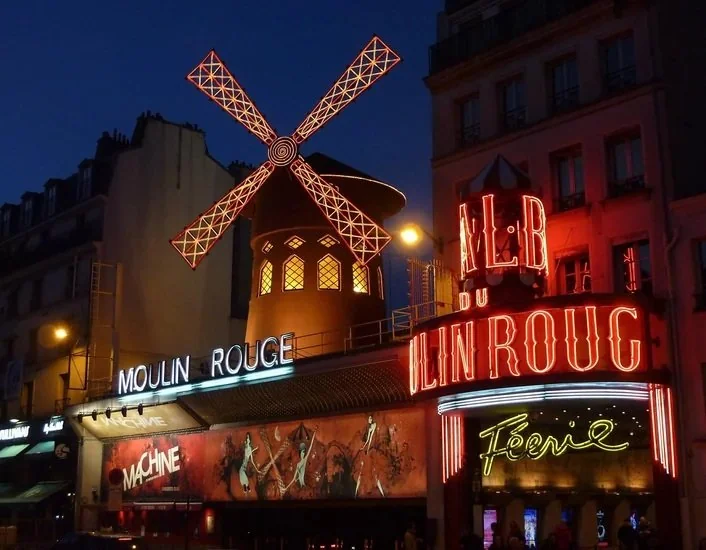
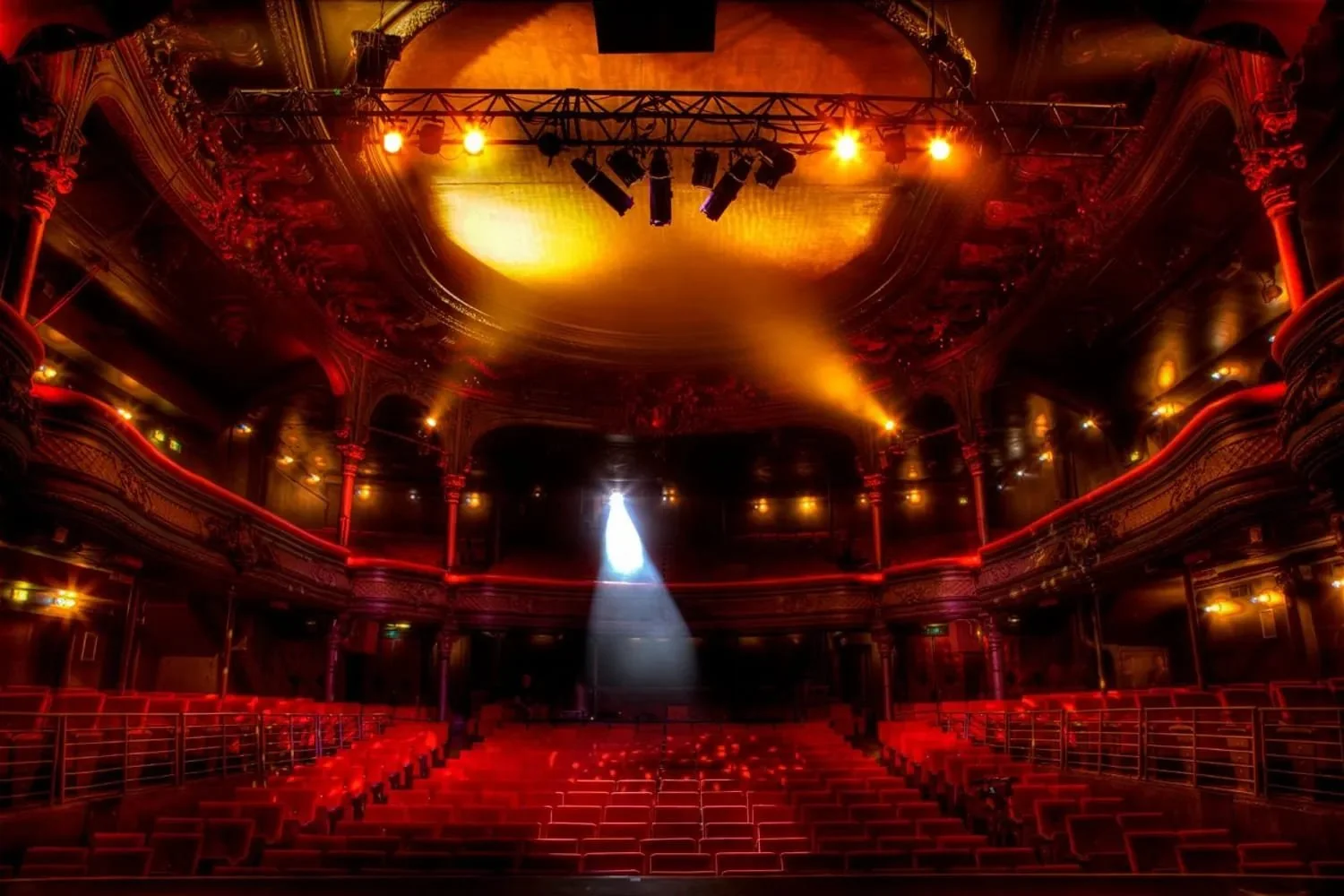
You have probably heard of the Moulin Rouge long before your trip, thanks to the American films that made the French Cancan famous around the world. Since 1889, the red windmill has been turning its sails at the foot of the hill, immortalized in the posters of Toulouse-Lautrec. The Féerie revue is performed every evening, with a dinner show starting at 7pm for those who choose the full formula and later sittings for everyone else. One tip: book several weeks, sometimes a month, in advance, because the room sells out for much of the year.
Higher up, on rue des Saules, Au Lapin Agile takes a radically different view of what entertainment should be. No sound system, no spotlights. In a small room once frequented by Picasso and Apollinaire, artists sing classic French chanson a few meters from the audience, from 9pm. This is the original spirit of the Montmartre cabaret, and the experience is unique in the capital. Opening nights vary with the program, so check before making the climb.
Over on the Pigalle side, on rue des Martyrs, Madame Arthur has carried the spirit of the first drag cabaret in France since 1946. Shows early in the evening, then a club and DJ sets of 100 % French music until the small hours, Thursday to Saturday. The songs are French, the introductions are in English, and the dance floor is a favorite with Parisians looking for a more irreverent, vibrant night out.
Night walk in Montmartre: our walking tour on foot
Exploring Montmartre on foot takes about an hour and a half. From rue Fromentin, walk to boulevard de Clichy, then continue up rue Lepic, the street where Vincent van Gogh lived with his brother Theo at number 54. A few hundred meters further on, the moulin de la Galette, painted by Auguste Renoir, marks the entrance to the real village.
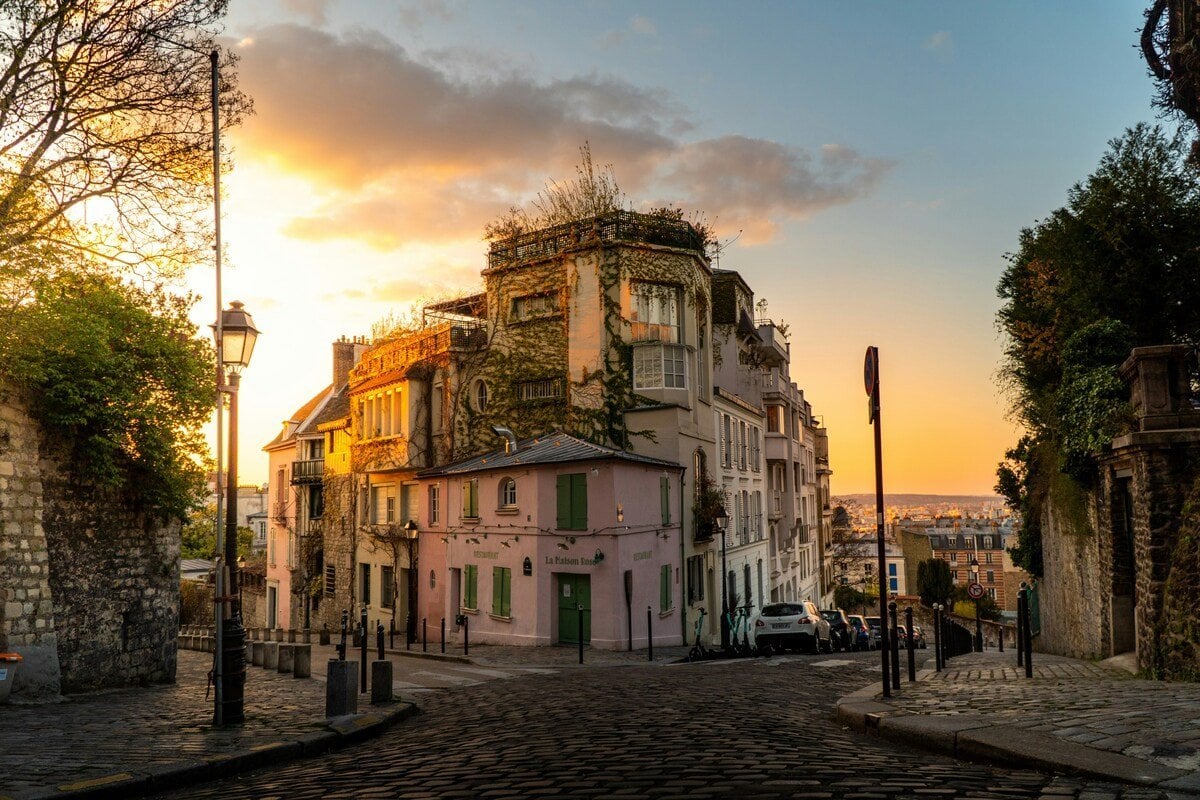
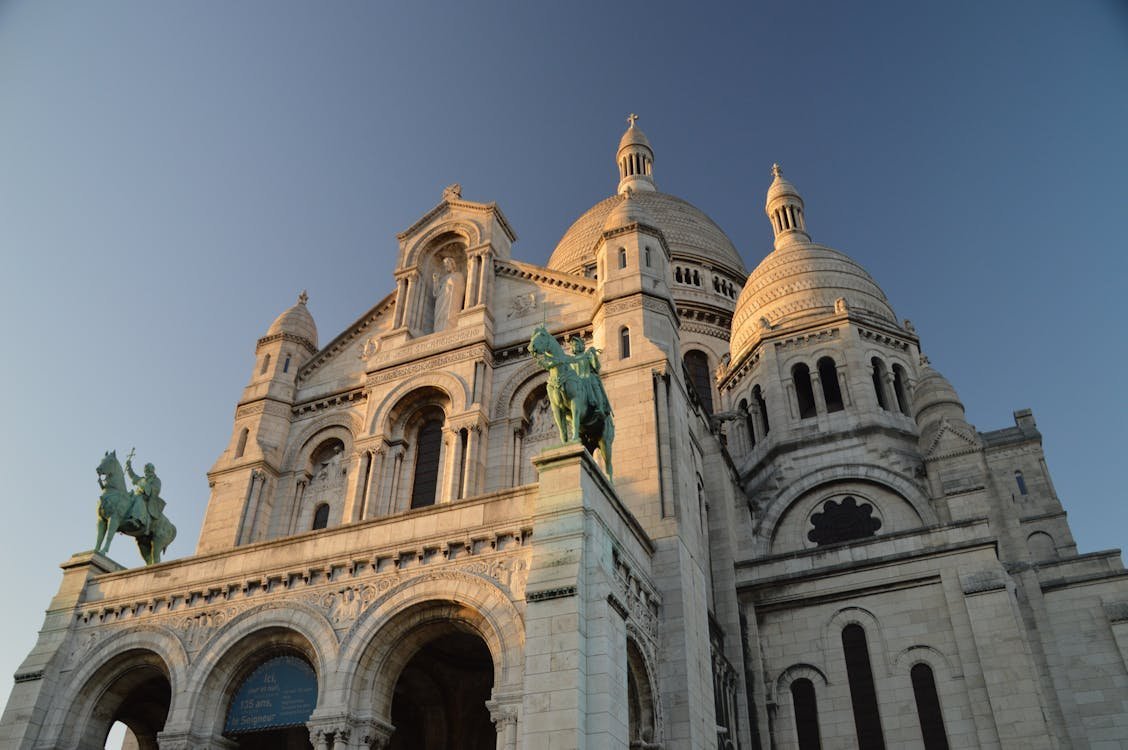
From there, the place du Tertre and the church of Saint-Pierre de Montmartre, one of the oldest in the city, lead to the forecourt of the Sacré-Cœur. Entry to the basilica is free and the doors stay open until 10.30pm, a rare moment of calm compared with the daytime crowds. Keep left on the way down for rue de l'Abreuvoir and the Maison Rose, whose façade has become one of the most photographed spots in Paris. The last stretch, past the vineyard and the Lapin Agile towards the Lamarck-Caulaincourt station, is magical at that hour.
Several companies also run guided walking tours devoted to Montmartre by night, often built around 19th century crime stories, artists' studios or local legends. It is a fun way to visit Montmartre in a small group, by lamplight. Two practical tips before you travel up: wear proper walking shoes, because the cobbles are uneven and the hill is steeper than it looks in photos, and keep your phone charged for the view.
The Hôtel Artemisia, an Art Deco address at the foot of the butte
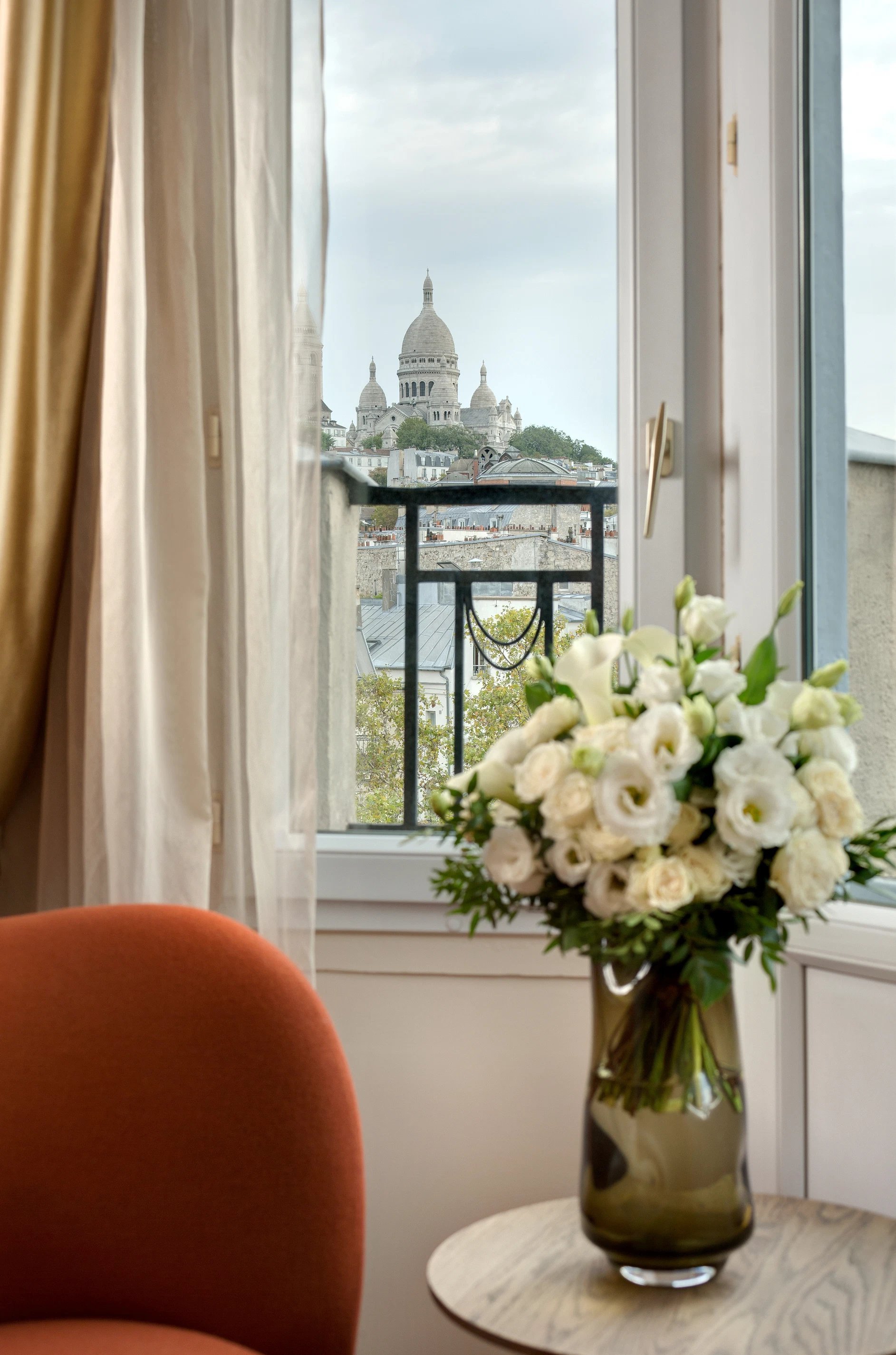
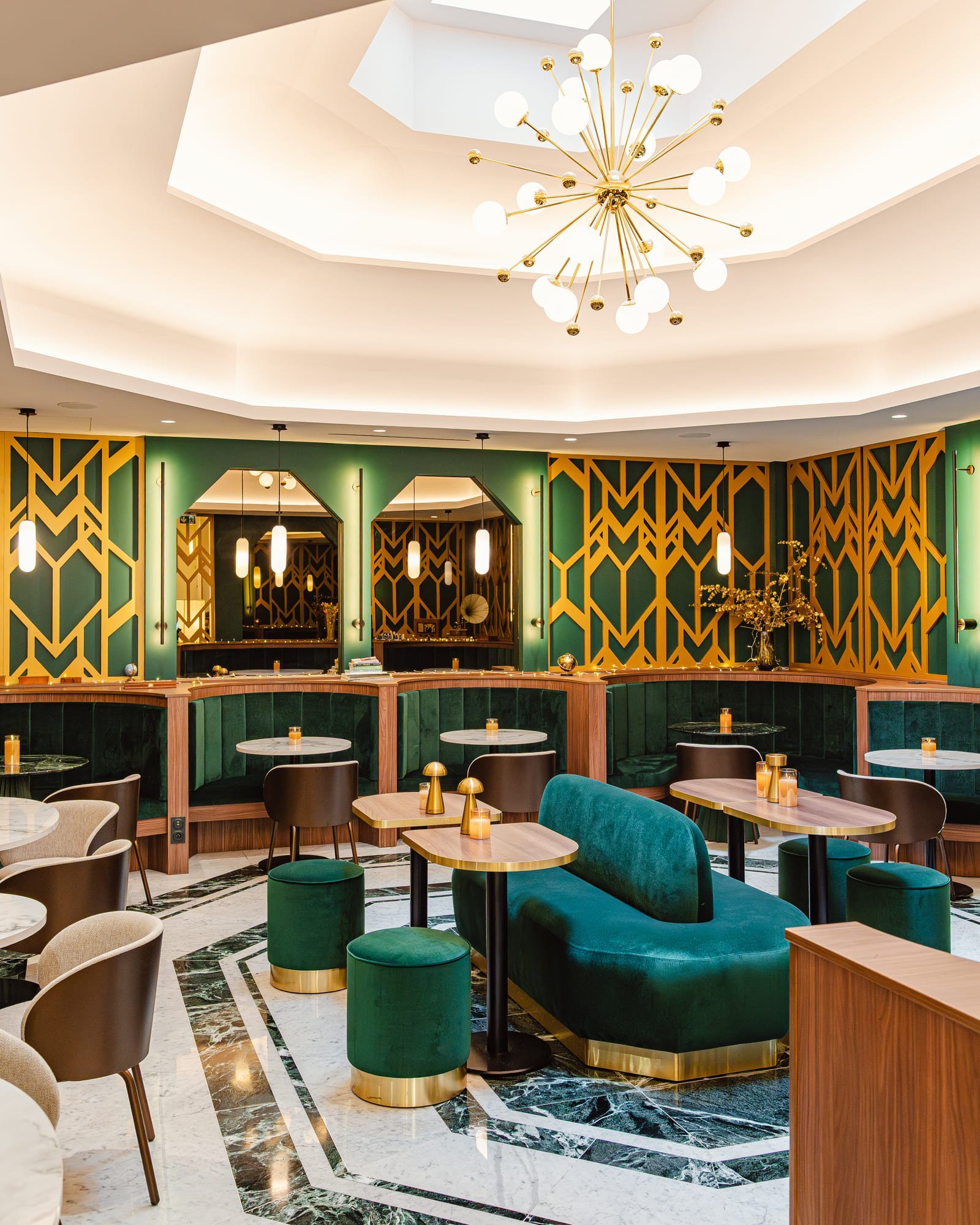
Designed by a duo of architects, the Hôtel Artemisia Montmartre plays on the dialogue between two eras. Classic bow windows look towards the Sacré-Cœur, a 19th century gilded brass lift serves the floors, and the hexagonal dome above the bar recalls the golden age of the Roaring Twenties, long after the hilltop abbey that gave rue des Abbesses its name disappeared during the French Revolution.
This 4 star Paris hotel stands on rue Fromentin, on the border of the 9th and 18th arrondissements, minutes on foot from the Blanche and Pigalle stations, with the Arc de Triomphe and the Champs-Élysées a short metro ride away. Among the many hotels in Paris, few place you this close to a cabaret stage without depending on the last metro to get home.
The rooms of the Hôtel Artemisia, steps from the cabarets
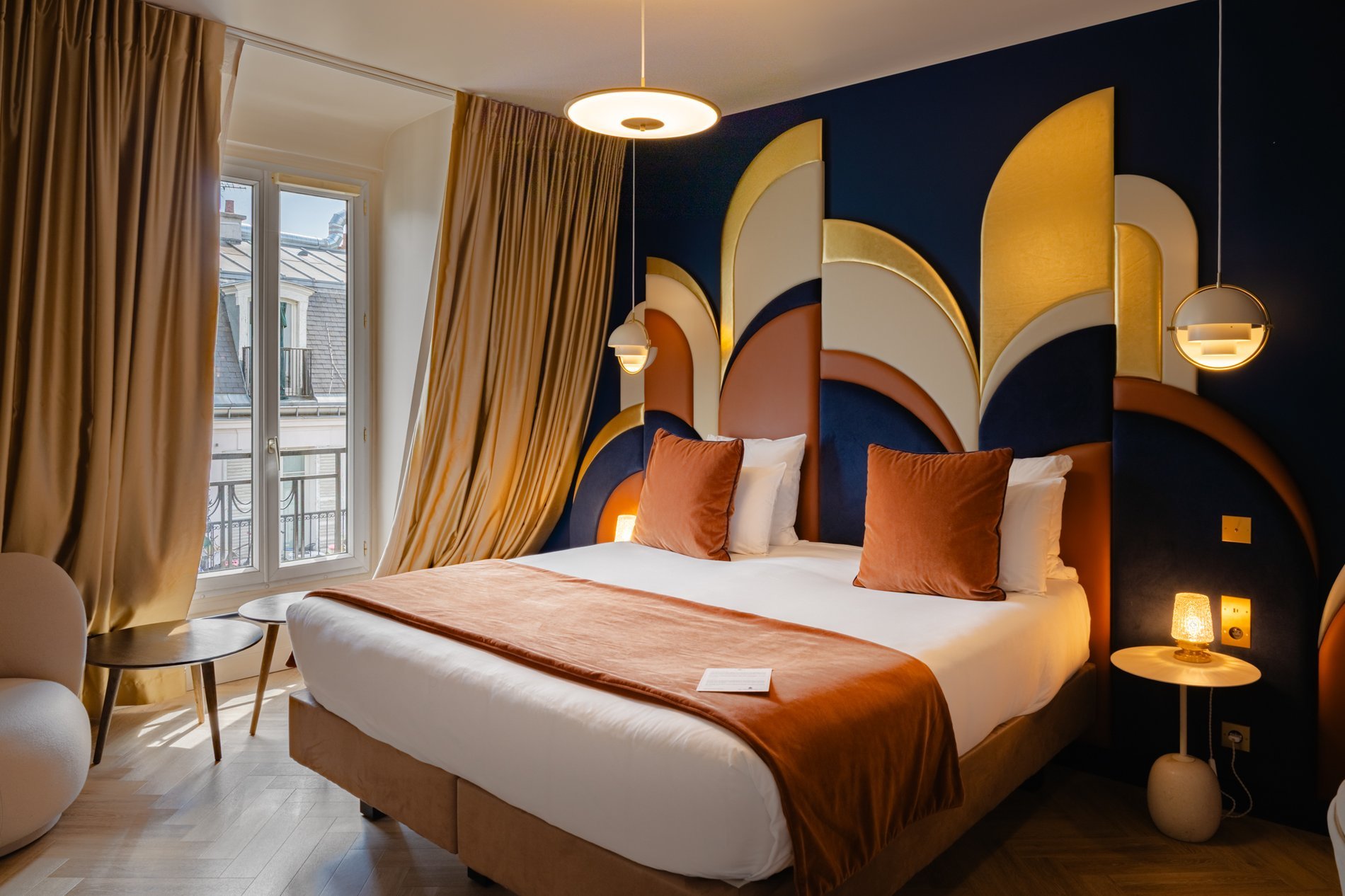
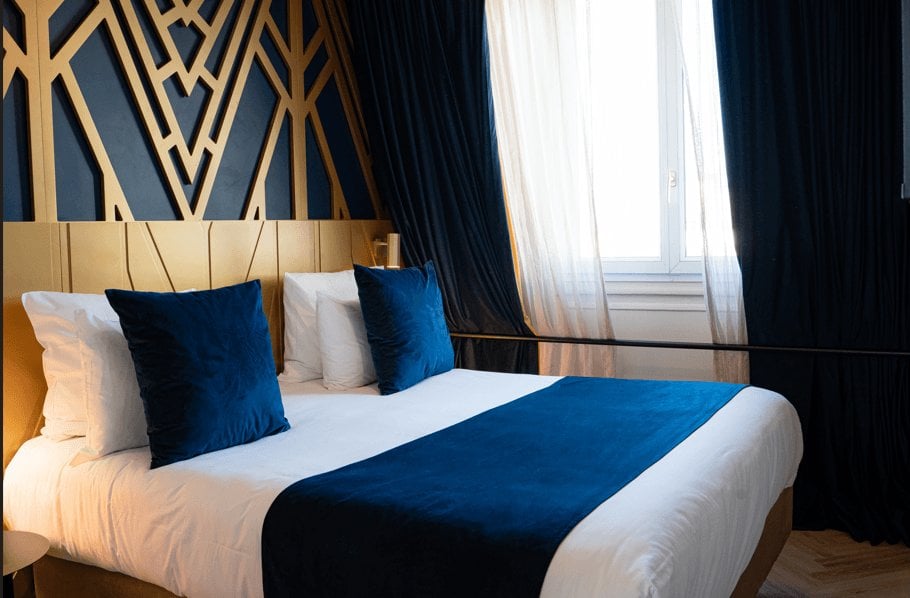
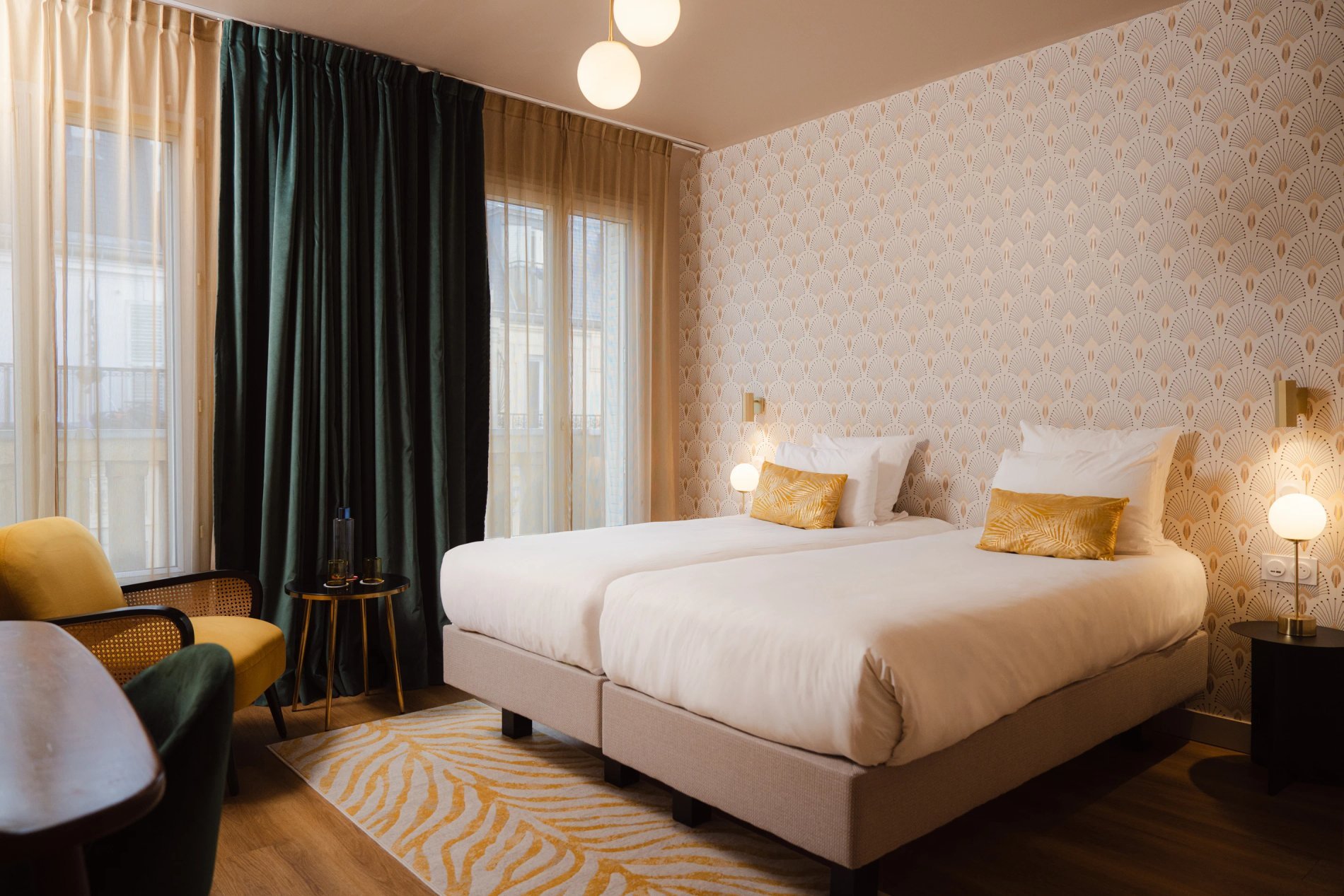
Walking home after a show changes everything. The 46 comfortable rooms of the Hôtel Artemisia Montmartre echo the atmosphere of the 1920s and 1930s, between Art Deco lines and Art Nouveau curves. All are soundproofed, air conditioned and fitted with quality bedding, a flat screen and free wifi, which counts when the evening has run long.
Categories range from the Classic room, ideal for a short trip or a weekend, to the Superior rooms with balcony, and on to the Deluxe and its sitting area. The Suites are more generous in size and offer a view over the rooftops towards the Sacré-Cœur or the Eiffel Tower, with one hour of spa included during the stay. Connecting rooms and twin configurations are available on request, a practical option for visiting Montmartre with family or friends.
The Artemisia services to extend your evening
The hotel bar, set beneath a hexagonal dome, is the heart of the house. The list runs from signature cocktails, the Pink Lady and the Nuit à Montmartre among them, to a selection of wine, champagne, coffee and Alain Milliat fruit juices. A fine way to start or close a romantic evening with your wife, your partner or your friends without leaving the building.
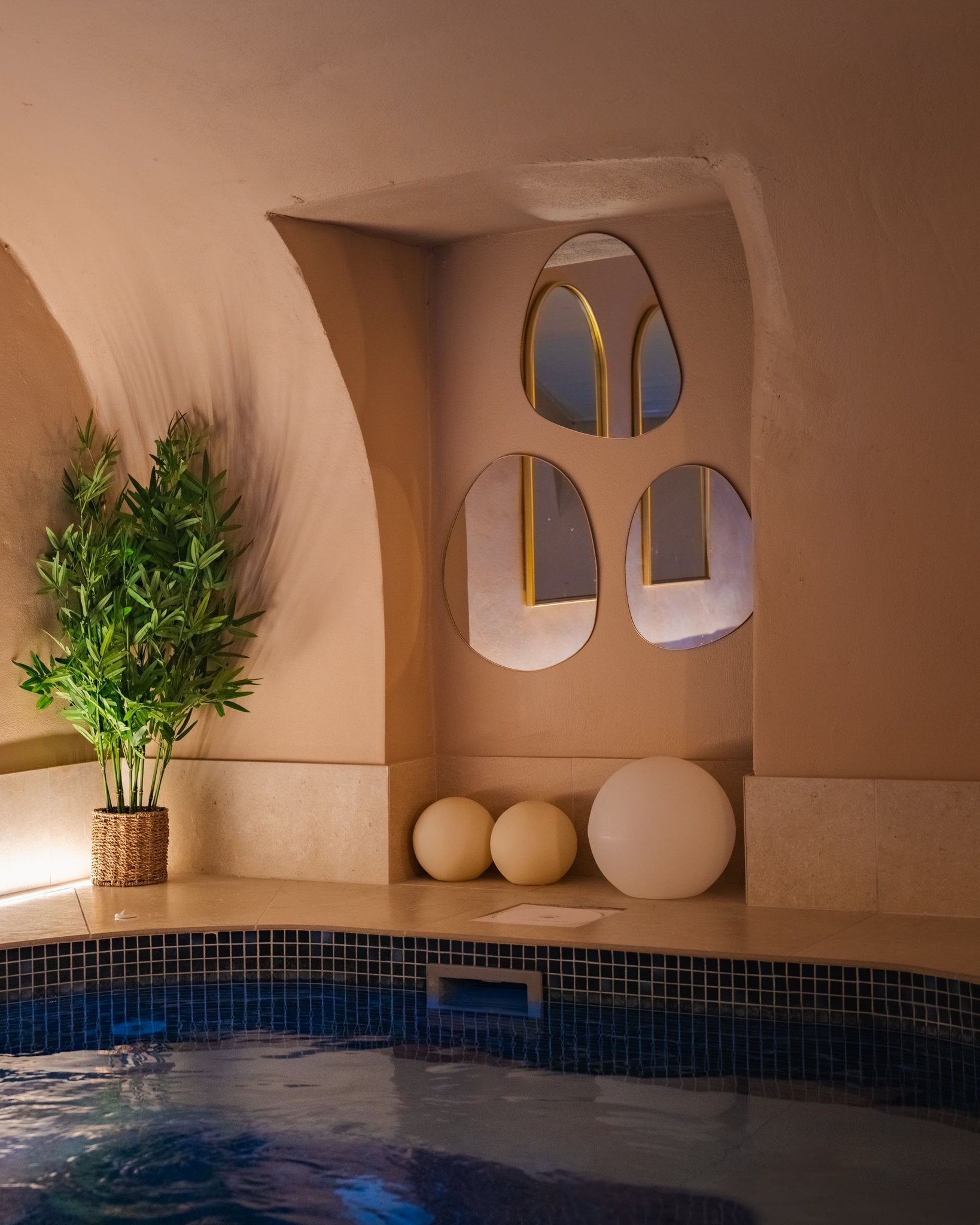
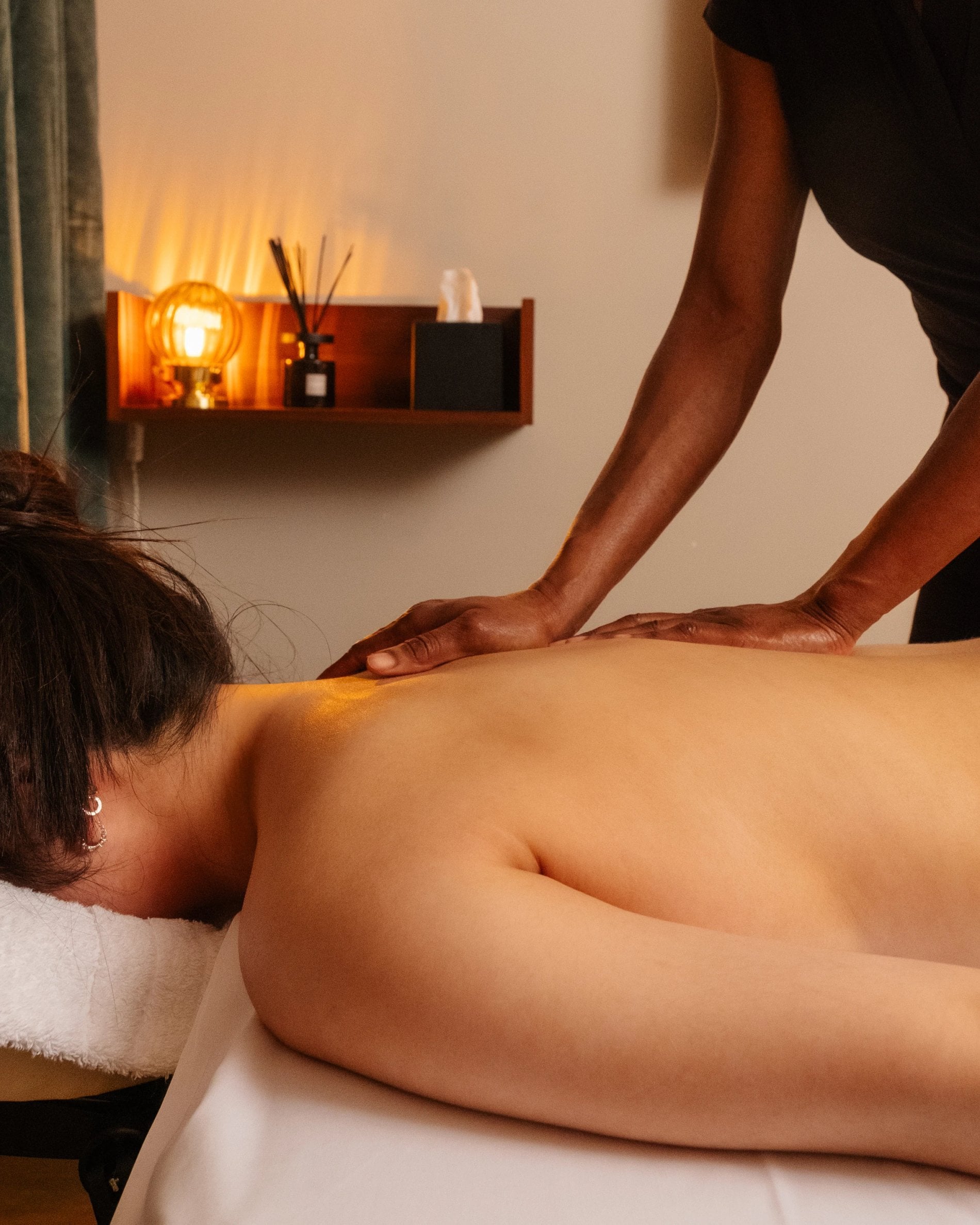
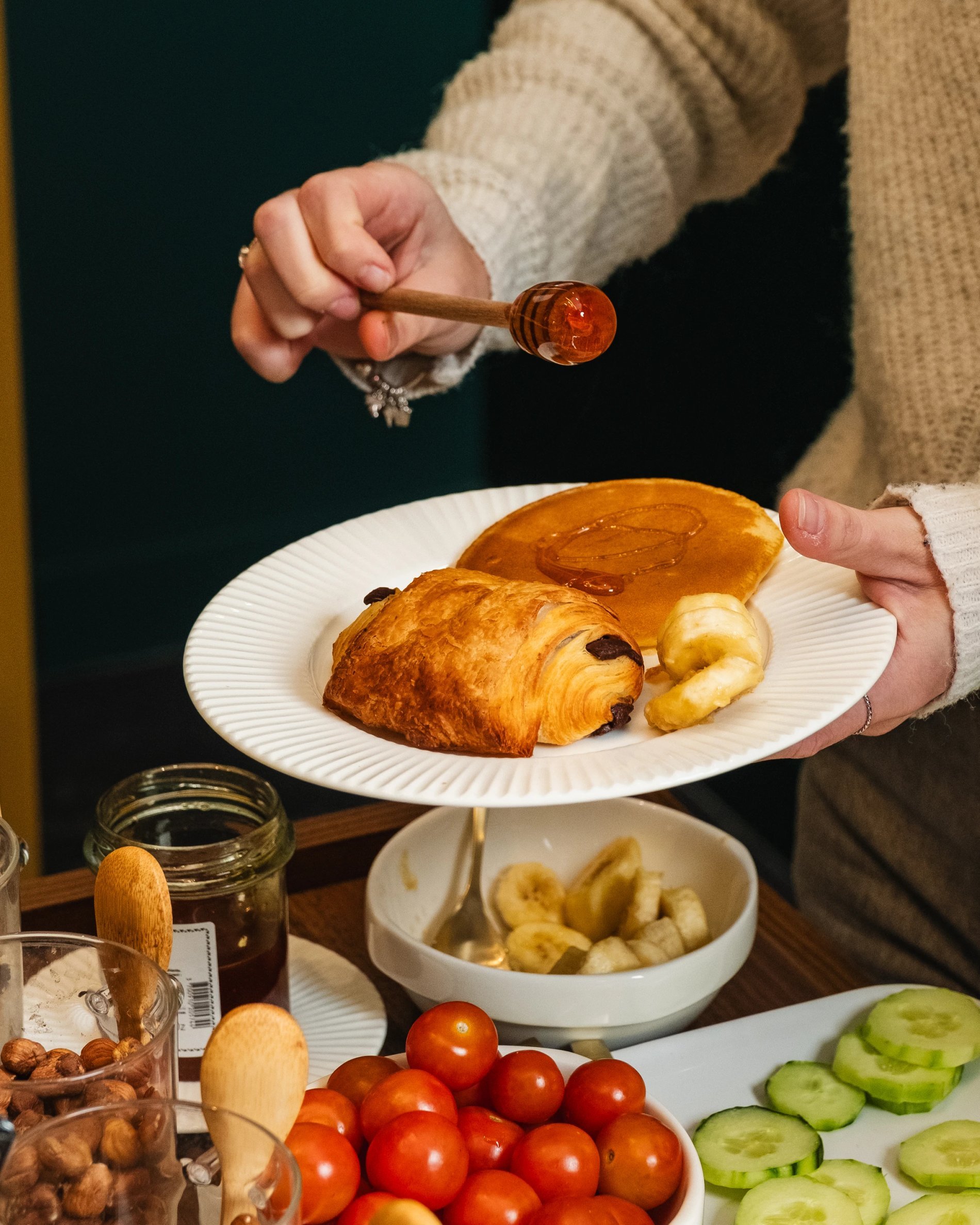
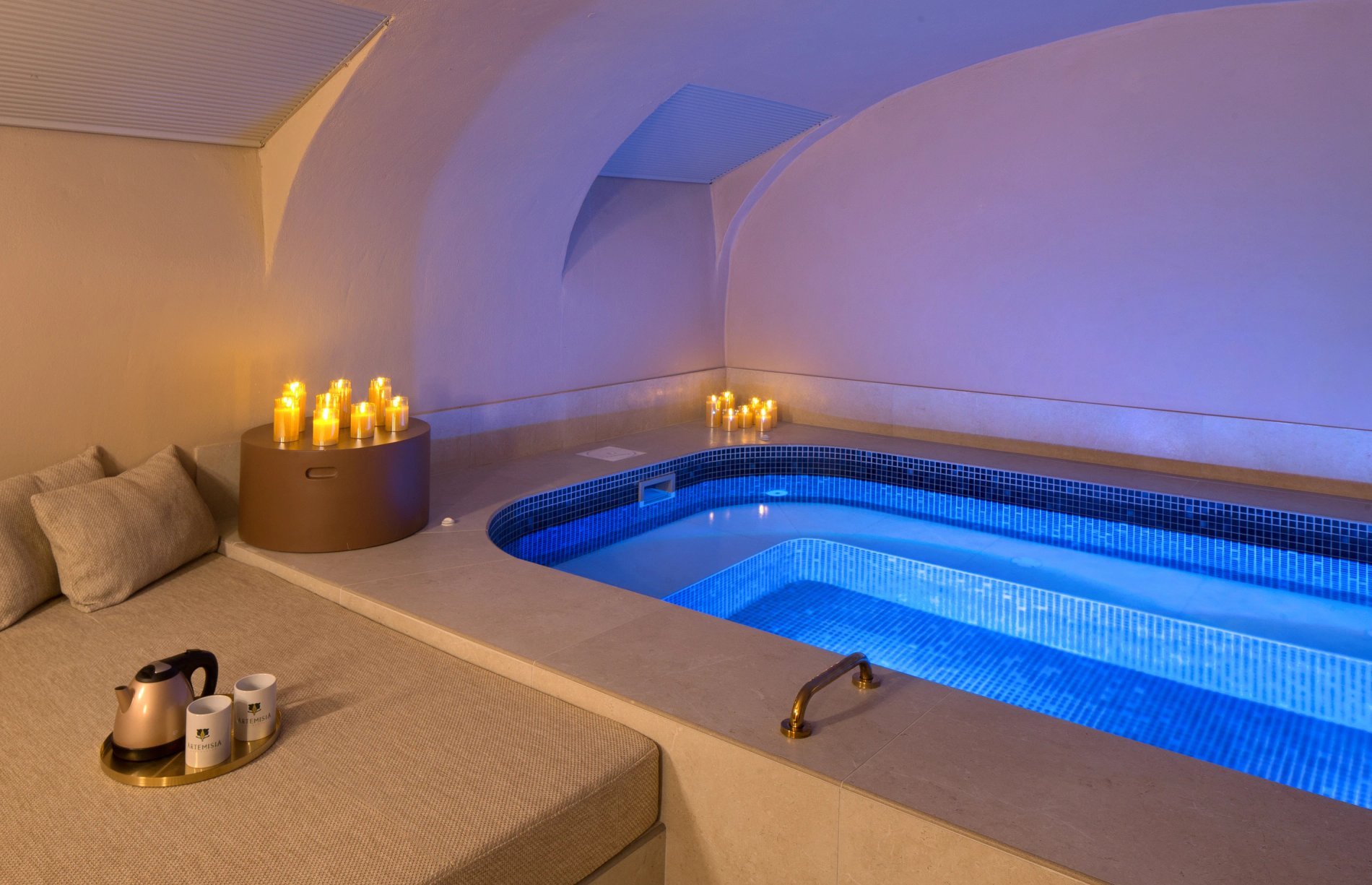
Room service runs from 7am to 2am and reception welcomes guests 24 hours a day, seven days a week, which matters when you come back late. Downstairs, the wellness space can be privatized for an hour of relaxation, with a basin, a sensory shower and a massage menu created with YON-KA, to be booked with reception by email. Gift cards are available if you would rather offer the experience than book it for yourself. The following morning, breakfast is served from 7am to 10.30am, as a buffet, in the room or à la carte. The e-concierge service completes the picture for your tickets, your table reservations and your transport.
Montmartre by day: museums, artists and gardens
Before nightfall, the district deserves a proper visit. The Musée de Montmartre, installed in the oldest house on the hill, retraces the artistic history of the area and includes the Renoir gardens, whose atmosphere inspired the Bal du moulin de la Galette. Suzanne Valadon and her son Maurice Utrillo both worked on the site, and her reconstructed studio is one of the highlights of the museum. A little further down, the Dalí Paris space presents a collection devoted to Salvador Dalí, while the Halle Saint-Pierre exhibits outsider and raw art. Few districts in Europe can claim so many famous artists in so few streets.
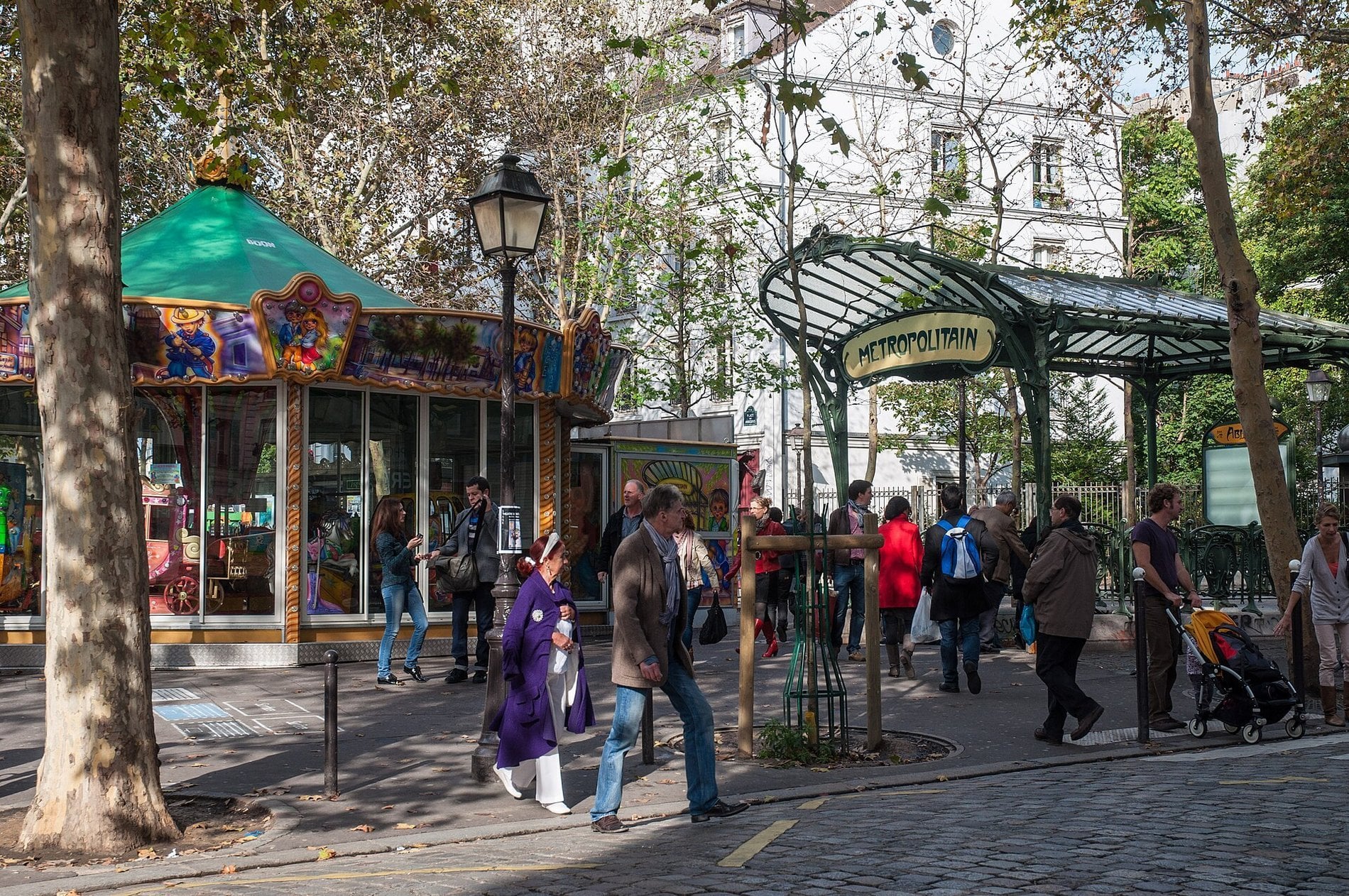
The Montmartre cemetery, filled with the graves of writers and musicians, makes an unexpected place to walk in the center of the city. On the place des Abbesses, the wall of love repeats the same declaration in hundreds of languages, a stop popular with children and couples alike. The Abbesses metro station below it is the deepest in Paris, which explains the spiral staircase and its painted walls. And if you would rather save your legs, the little tourist train covers the main sights of the district from the place Blanche. If you enjoyed the route after dark, it reads very differently in daylight.
Book your stay at the Hôtel Artemisia to discover Montmartre at night
A revue at the Moulin Rouge, a last glass under the dome of the bar, then a few minutes of walking to your room: that is what a memorable evening in Montmartre looks like from the Artemisia. On the official website you benefit from the best rate guaranteed, and you can check availability, prices, guest reviews and the special offers reserved for direct bookings.
FAQ - Frequently asked questions about Montmartre at night and the Hôtel Artemisia
What can you do in Montmartre at night without booking ahead?
A night walk remains the best option. Take the funicular or the steps, reach the forecourt of the Sacré-Cœur for the view, then come back down through rue de l'Abreuvoir and rue Lepic. The bars of Pigalle and most café terraces in the neighborhood take walk-ins on any given evening.
Is the Sacré-Cœur open in the evening?
Yes. The Basilica of the Sacred Heart welcomes visitors every day from 6.30am to 10.30pm, and entry is free. Unlike Notre-Dame, which closes earlier, it stays open well into the night, and the forecourt is accessible at all hours. Access to the dome closes in the late afternoon or early evening depending on the season.
How do you get up the Montmartre hill at night?
The funicular runs from 6am to 12.45am with a standard metro ticket and saves you the 222 steps of rue Foyatier. On foot, allow around ten minutes of climbing from the place Saint-Pierre. The Abbesses, Anvers and Lamarck-Caulaincourt stations also serve the district.
Which cabarets should you see in Montmartre in the evening?
The Moulin Rouge performs its Féerie revue every night, with or without dinner. Au Lapin Agile, on rue des Saules, focuses on acoustic French song from 9pm. Madame Arthur, on rue des Martyrs, runs a show then a club until dawn, Thursday to Saturday. Booking is strongly recommended. Our reception is happy to help.
Is the Hôtel Artemisia close to the Moulin Rouge?
Yes. The Hôtel Artemisia Montmartre stands on rue Fromentin, a few minutes on foot from the Moulin Rouge and the place Blanche. That position means you can walk back after a show, and reception is open 24 hours a day to welcome guests at any time of night.
Can you visit Montmartre at night with children?
Yes, provided you adapt the route. The funicular, the forecourt of the Sacré-Cœur, the charm of the place du Tertre and the wall of love are all easy to enjoy in the early evening with children. Cabarets, on the other hand, apply their own age restrictions.
Read also
Hotel near Sacré-Cœur
Romantic hotel in Montmartre